





Speakers Speakers (Other possible technologies)
Speaker
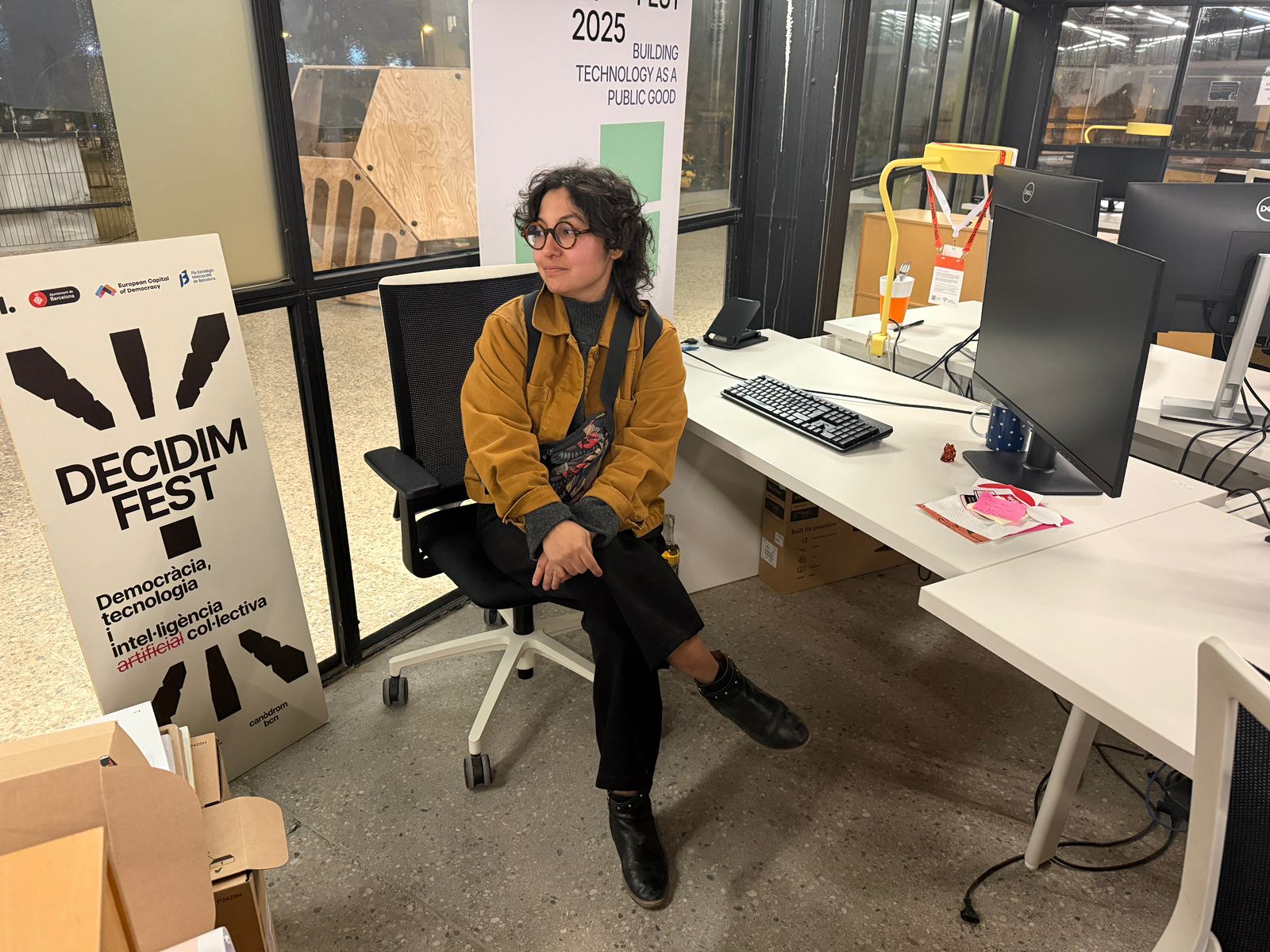
Ali González-García is a technology specialist with 15 years’ experience in the technology sector, 11 of which have been spent working in the field of government technology. She was Director of Open Government for the Mexico City Government, where she implemented the participation strategy using Decidim: plazapublica.cdmx.gob.mx and the open data portal: dades.cdmx.gob.mx, amongst others. She has collaborated with governments in several countries on the implementation of technology platforms, including Paraguay, Guatemala and Brazil. She has organised hacktivist groups in Mexico and Barcelona. She currently works as technical specifications coordinator for the GovStack initiative, on behalf of the Estonian government team.
Speaker

Anaís Córdova-Páez
TranshackFeminista researcher. Facilitator of digital healing sessions with a decolonial perspective.
Speaker

Transhackfeminist activist with Direct Action, Self-Management and Radical Techniques, Puebla, Mexico
Speaker
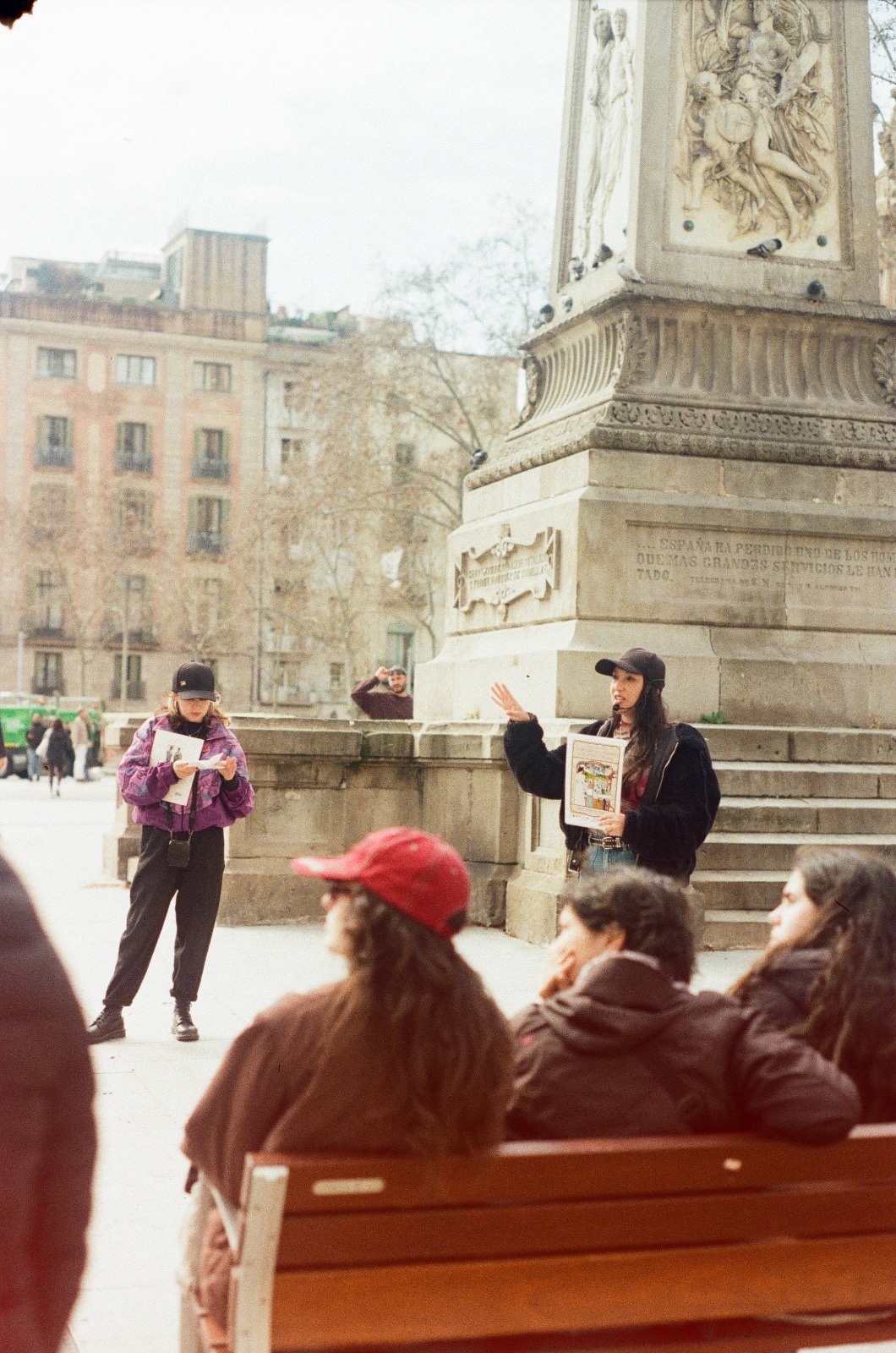
An architect qualified from the University of Concepción, with a Master's in Cultural Heritage Management and Museology from the University of Barcelona and a Diploma in Residential Habitat in Social Vulnerability Contexts from the University of Chile. A cultural manager and mediator with over eight years' experience in cultural heritage and community work, she is the co-founder of Descoloniza BCN Tour. Her practice focuses on the management and mediation of heritage from a critical and decolonial perspective, with an emphasis on ancestral memory, territory and social justice, from a Global South-centred perspective.
Speaker
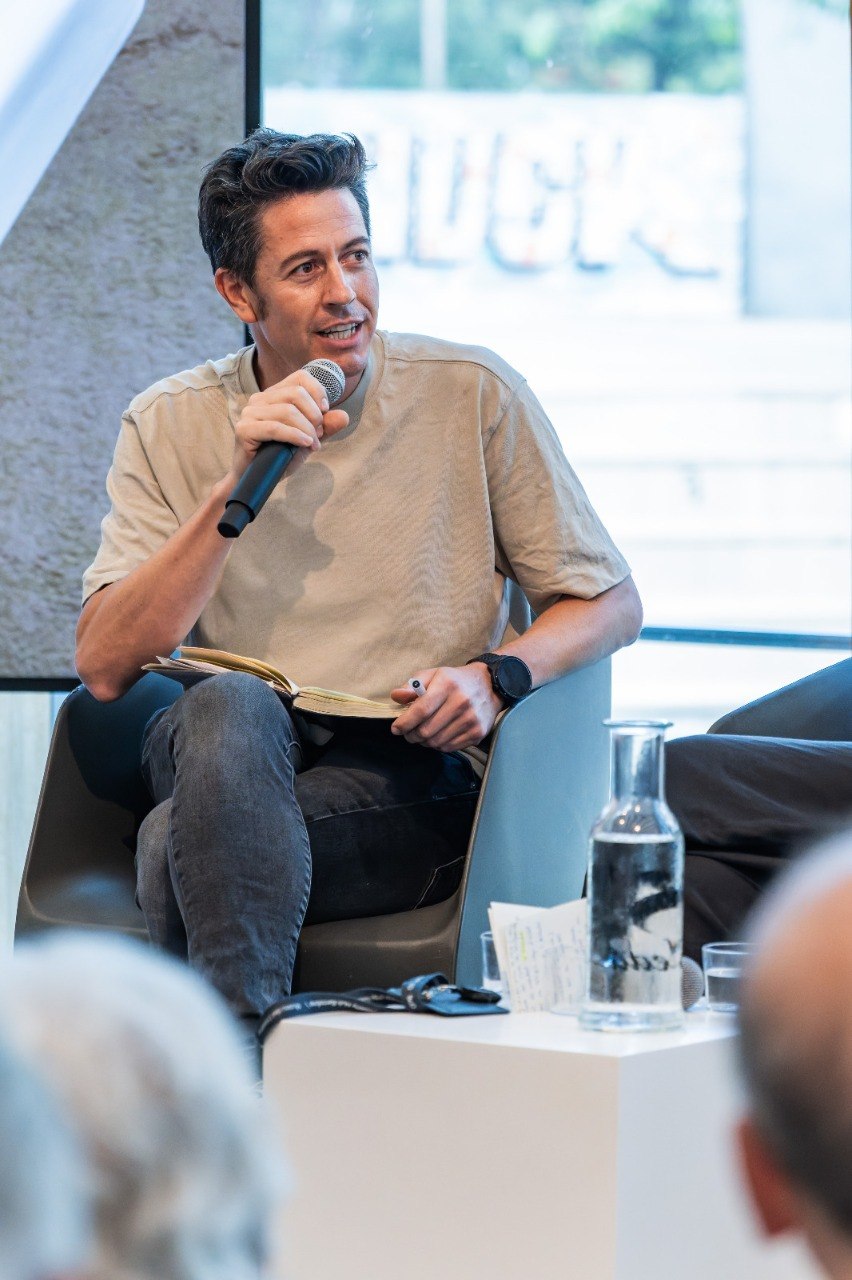
Arnau Monterde
Arnau Monterde is Director of Participation and Innovation for Democracy at the Barcelona City Council. He is responsible for the decidim.barcelona platform and co-founder of the Decidim platform. He has also promoted the Canòdrom - Center for Digital and Democratic Innovation in Barcelona, a public centre for innovation and research at the intersection between technology and democracy. He has coordinated several programs and projects related to digital rights, free software, technological autonomy, and democratic innovation in the digital era. He holds a PhD in the Information and Knowledge Society from the Universitat Oberta de Catalunya.
Speaker

Fembloc is a non-profit feminist collective made up of experts in self-defence and holistic safety with a feminist perspective. Its members include technologists, lawyers and psychologists who work on digital gender-based violence.
Speaker
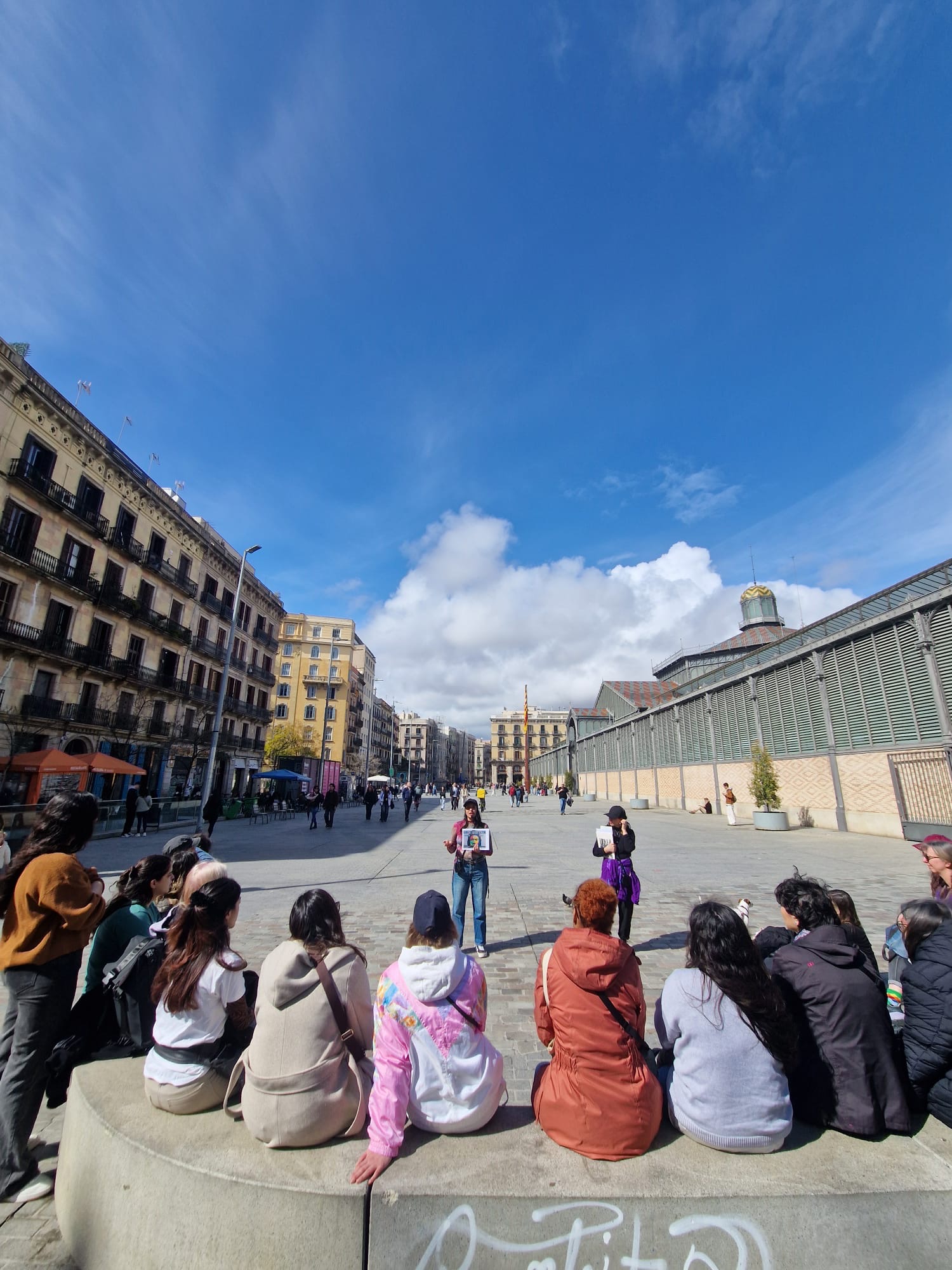
Camila Opazo Sepúlveda
She holds a PhD in Society and Culture from the University of Barcelona and is an archaeologist, anthropologist and museologist, specialising in critical heritage studies, colonial memories and decolonisation in museums and public spaces. Her work combines research, curation and collaboration with indigenous peoples and migrant communities, drawing on intercultural, feminist, decolonial and anti-racist approaches. She is a member of the International Council of Museums (ICOM) working group on decolonisation and has participated in international assessments and networks on the subject, as well as leading curatorial and educational projects focused on restitution, reparation and epistemic justice.
Speaker
Digital security specialist and lesbian feminist activist from MariaLab, Brazil, for feminist infrastructures (Vedetas, MariaVilani) and autonomous networks (Fuxico)
Speaker

Hackfeminist sociologist and consultant with over 10 years' experience in training and capacity building in social theory, women's rights, popular education, Mexico.
Speaker
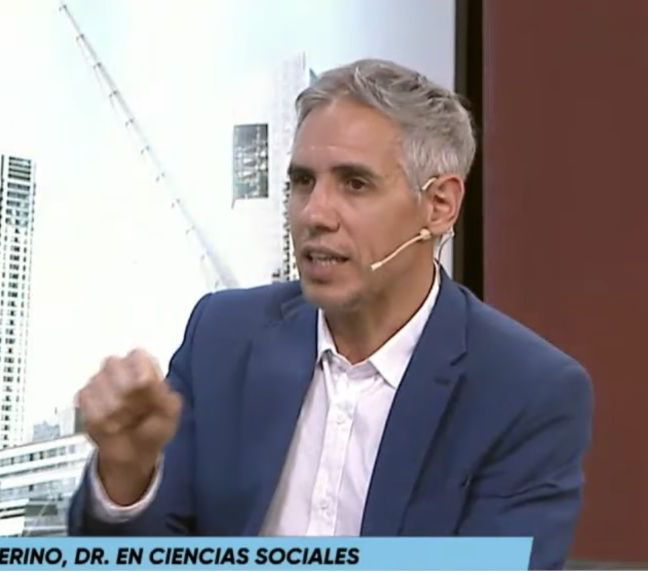
Gabriel Merino
Ph.D. in Social Sciences and Bachelor’s in Sociology. Independent Researcher at CONICET (National Scientific and Technical Research Council), affiliated with the Institute for Research in Humanities and Social Sciences (IdIHCS) at the National University of La Plata (UNLP). Director of the UNLP Research and Development Project "Historical-Spatial Transition of the World System and Latin America." Professor at UNLP and lecturer in graduate programs at various universities in Argentina and abroad. Coordinator of the Eurasia Department at the Institute of International Relations (IRI-UNLP). Co-coordinator of the CLACSO Working Group "China and the World Power Map."
Speaker
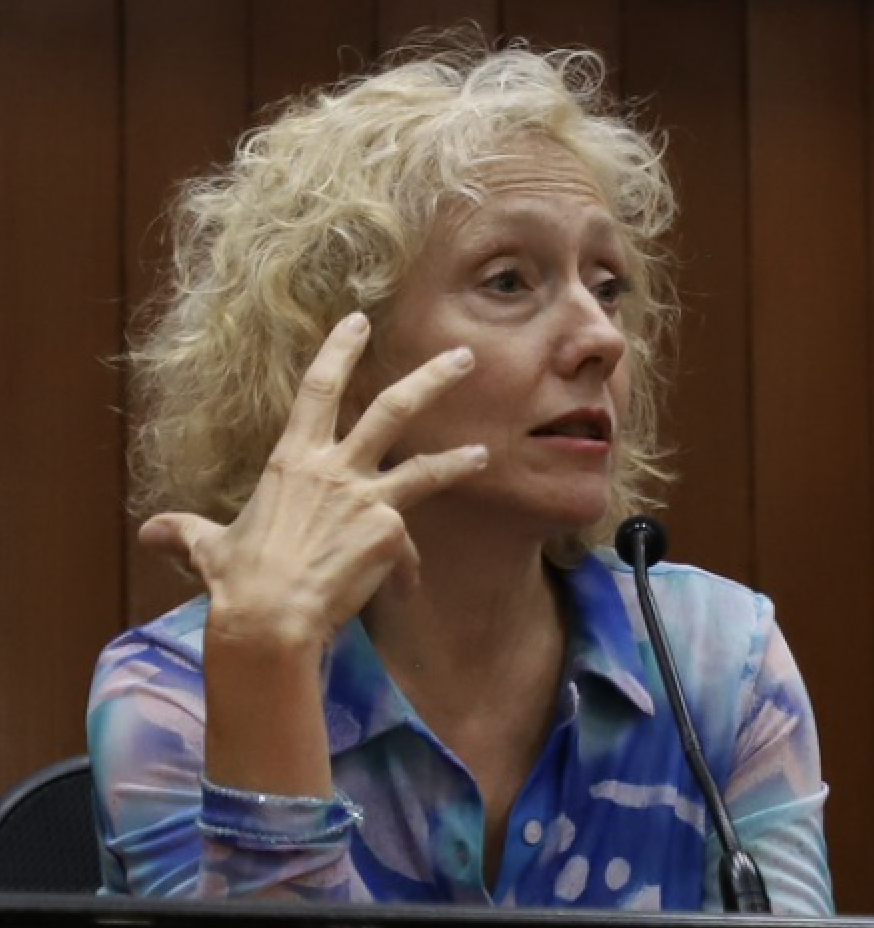
Lecturer and researcher at the University of Girona, specialising in social movements, digital communication, feminism and connected crowds.
Speaker
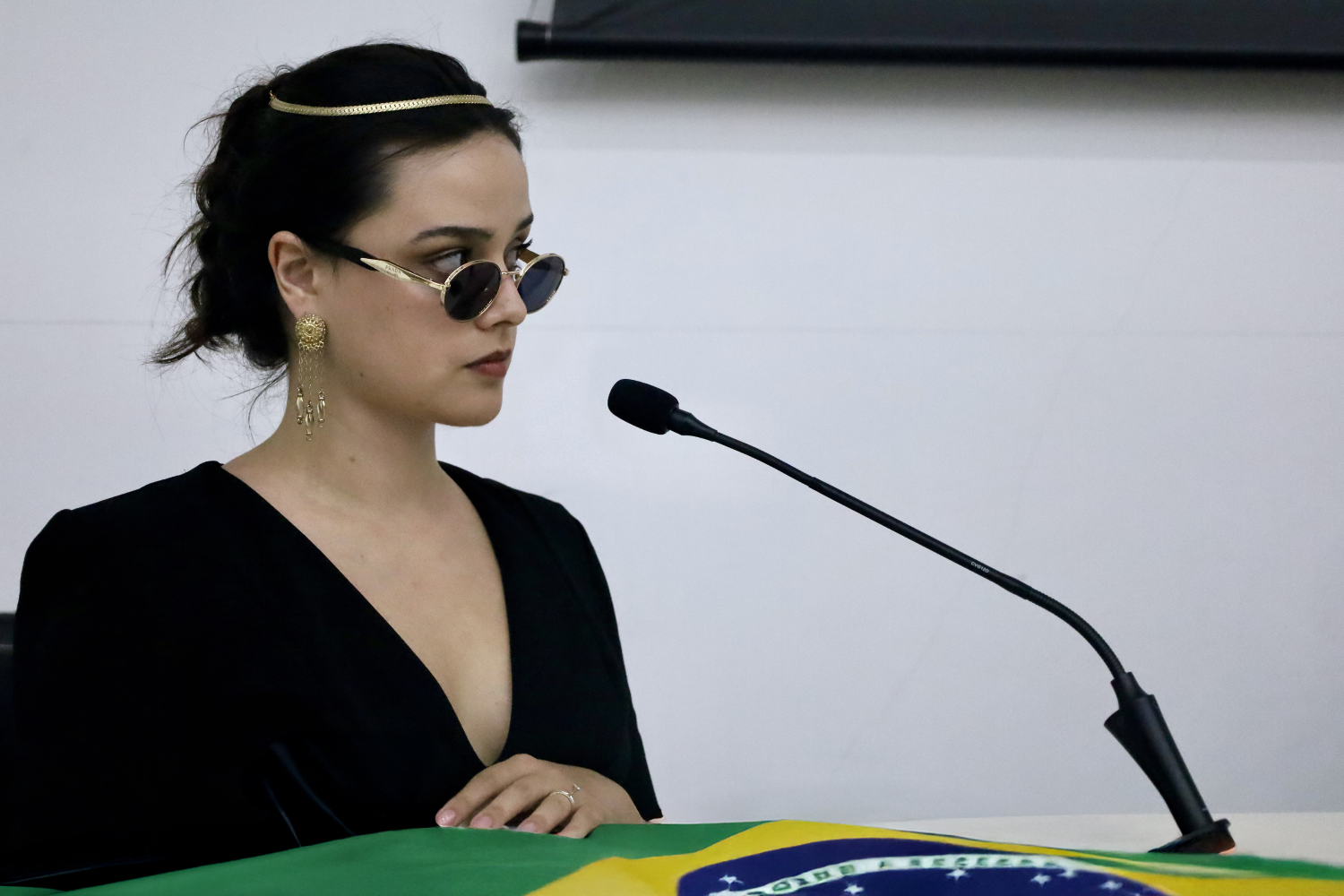
Brazilian political scientist, PhD candidate at the University of Brasilia, specializing in topological data analysis, digital polarization, and political narratives on social media. Founding president of the BRICS+ Strategic Technologies Forum, dedicated to promoting digital sovereignty, South-South technological cooperation, and democratic data governance. Researches technological sovereignty and public digital infrastructures in Brazil and Latin America. Coordinates the Working Group on Strategy, Data, and Sovereignty of the GEPSI-IREL/UnB.
Speaker
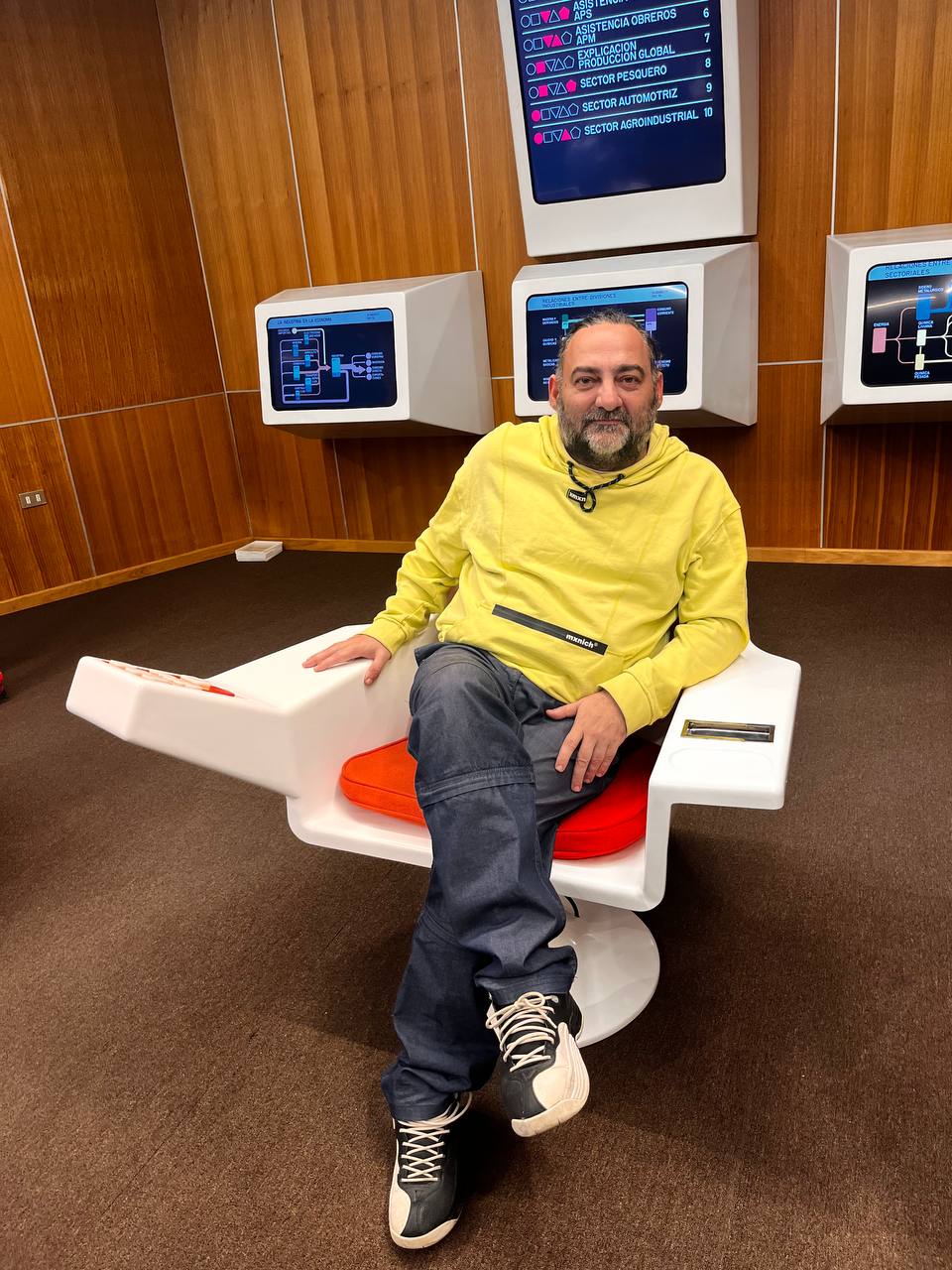
Javier Toret
Researcher in technopolitics, artificial intelligence, collective action and the transition of global power. Author of the books: ‘Technopolitics and 15M: The Power of Connected Multitudes’ and ‘The Emergence of Transformative Municipalism’ (forthcoming). He is a member of the Technopolitics/CSNC group at the UOC. He is currently working on his doctoral thesis at the University of Girona on the intersection between geopolitical and technological transformations, digital sovereignty and AI models from the perspectives of the Global South.
Speaker
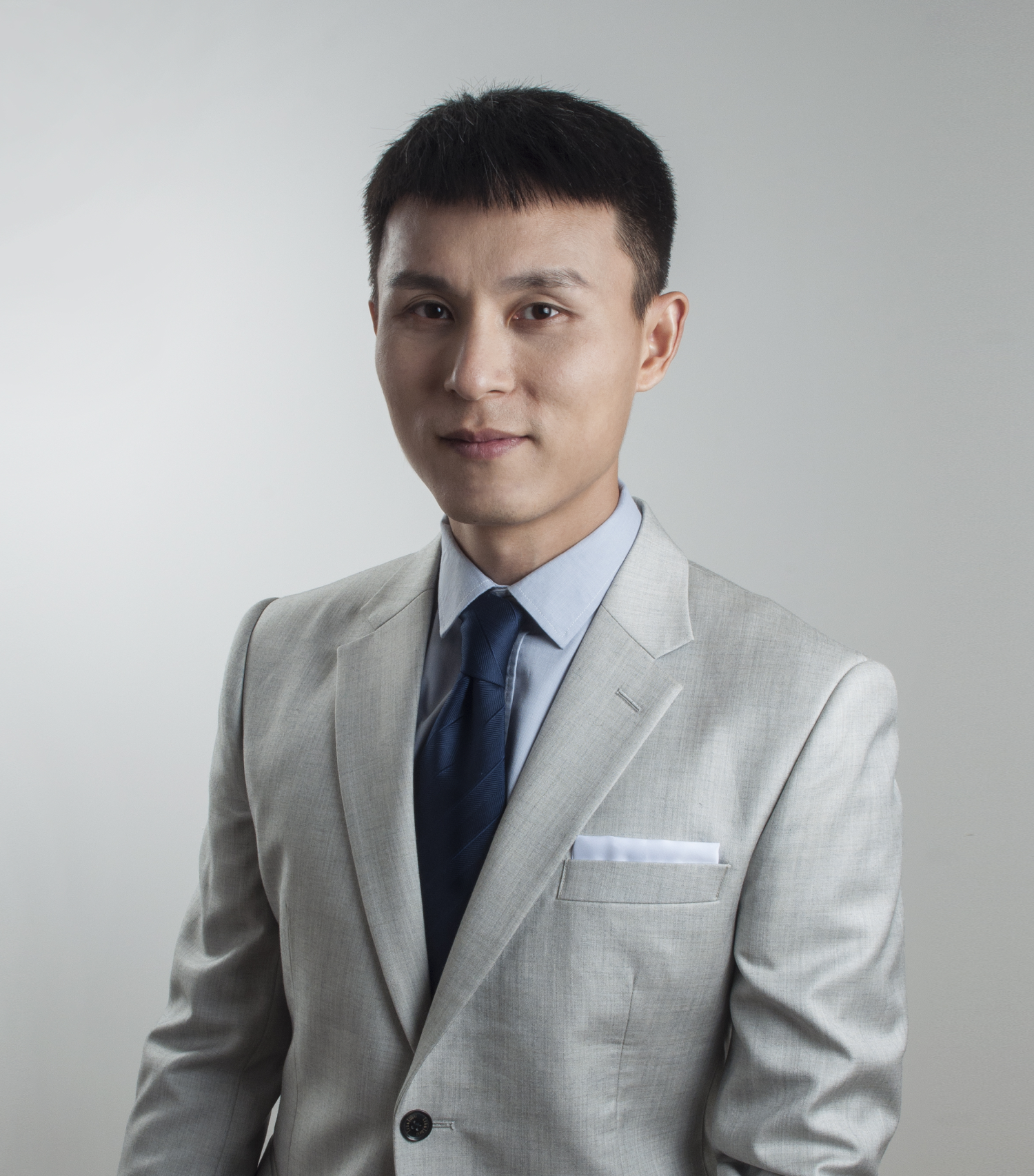
Jeff Xiong
He is a technologist, translator, and editor from China. He has participated in the digital transformation processes of multiple leading Chinese companies. He is the founder of Shanghai Maku Cultural Communications Ltd. Additionally, he is the secretary general of Global South Academic Forum. He has authored or translated over 10 books; his most recent translation is Cybernetic Revolutionaries. He specializes in technological sovereignty and digital cooperation in the Global South and BRICS, with a focus on critical infrastructure, open standards, and multipolar internet governance.
Speaker
Kiran Chandra
He is an Indian tech activist and software engineer based in Hyderabad, specialising in free software, public digital infrastructure and technological sovereignty. He is the Secretary-General of the Free Software Federation of India (FSMI) and founder of Swecha, an organisation that promotes civic technologies and digital sovereignty. He advocates for public policies on open digital infrastructure, data privacy and critical technology education in the Global South.
Speaker

The Lucha y Siesta Women’s Centre is a transfeminist space that was opened on 8 March 2008 in Rome. Prior to 2008, the building, a tram substation belonging to the city’s public transport company, had stood abandoned for many years. Reclaimed and returned to the community, it has become a physical and symbolic site of struggle for the rights of women, trans people and all those oppressed by patriarchy.
La Casa is a welcoming and safe environment, open to all those whose identities are subject to gender-based violence or discrimination. It is a space where bonds of sisterhood are forged, knowledge is shared, and feminist and transfeminist practices are explored. It operates as an anti-violence centre and a shelter for women, trans people and minors in the process of escaping violence, as well as being a cultural hub dedicated to the prevention and combating of gender-based violence in all its forms. Lucha y Siesta is also a space for political development, awareness-raising and training, promoting paths towards autonomy and self-determination.
Speaker
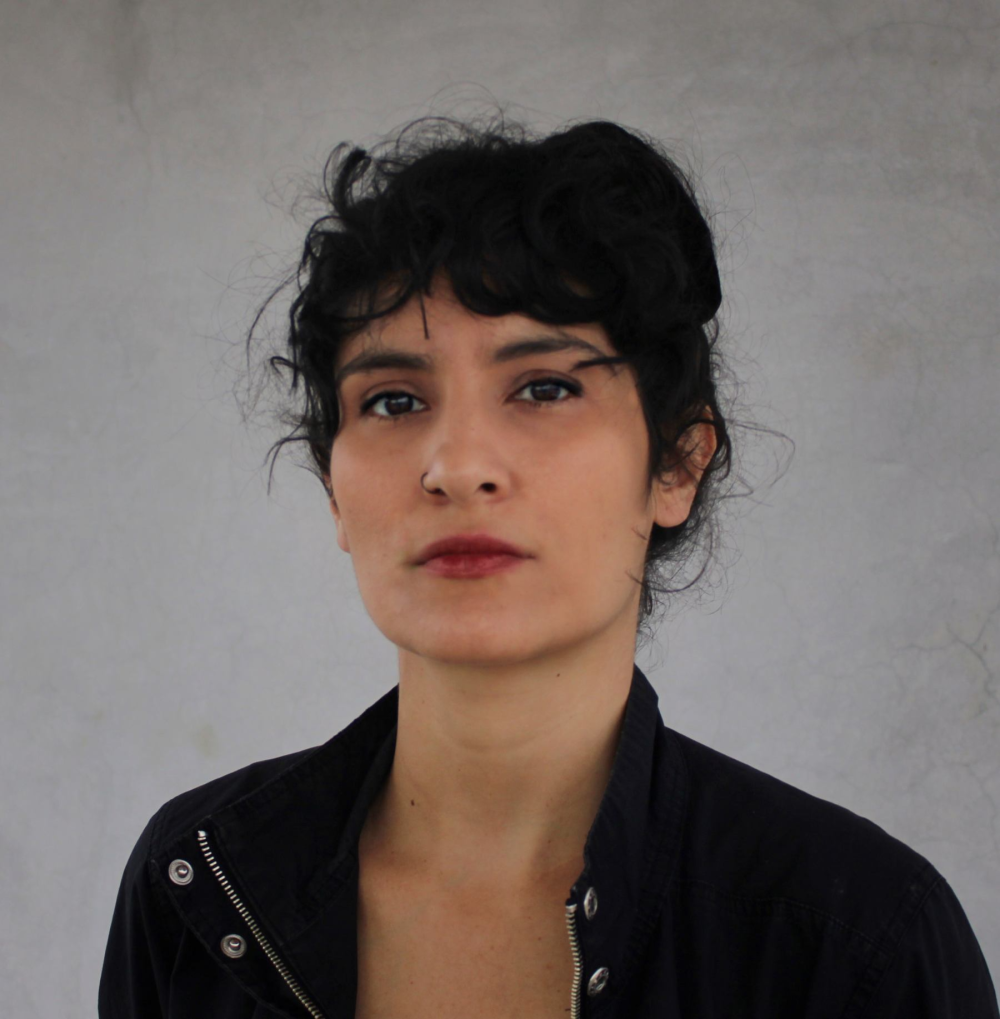
Philosopher. Specialist in the anti-patriarchal history of technology. Activist for food decolonisation in Oaxaca, Mexico;
Speaker
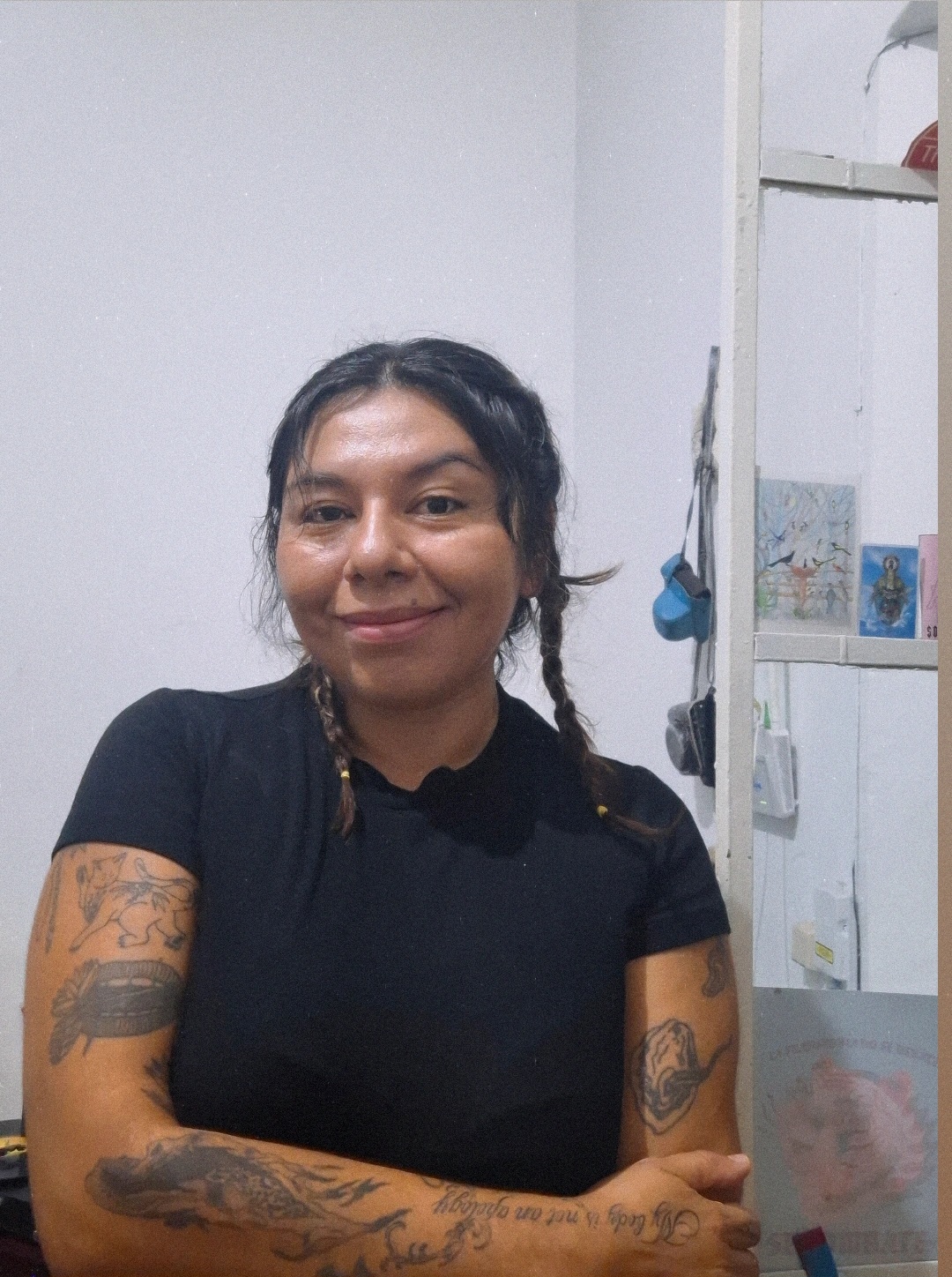
A philosopher and writer, they work from community narrative practices and transhackfeminism on projects about technologies, their affects and effects, in Mexico.
Speaker
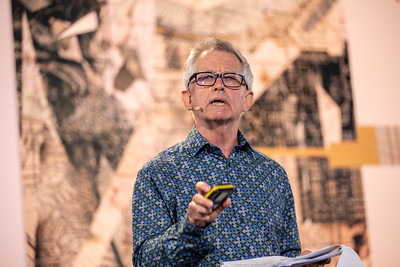
Nick Couldry
British sociologist of media and communication at the London School of Economics, specializing in critical data theory, platforms and digital culture. Co-author of the concepts of data colonialism and deep mediatization, he investigates how digital platforms extract, commodify and govern social life through the systematic appropriation of personal data. His work connects political economy, digital ethics and cognitive justice.
Speaker
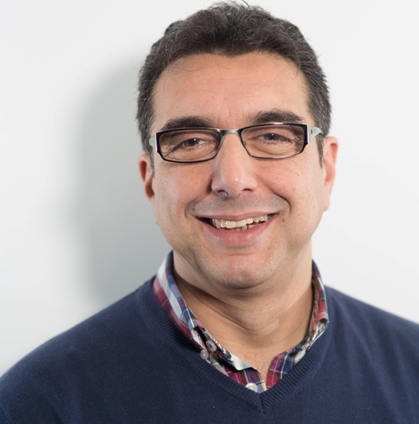
Pedro Aguilera Cortés
Speaker
.png)
Rayén is a Chilean artist, activist and researcher whose work focuses on intimacy, bodies and their interaction with technology. After 10 years of working in art projects with communities (such as indigenous communities living in isolated areas of Chile, young people in jail, children in social shelters, women who have experienced violence). Their practice is grounded in collective work and in creating practical pathways toward utopian imaginaries: building tools, spaces, and processes that make other ways of relating tangible. Rayén co-founded Radical Data to rethink the role of technology in our lives, exploring how it can become an ally and a powerful tool for liberation and collective joy.
Speaker
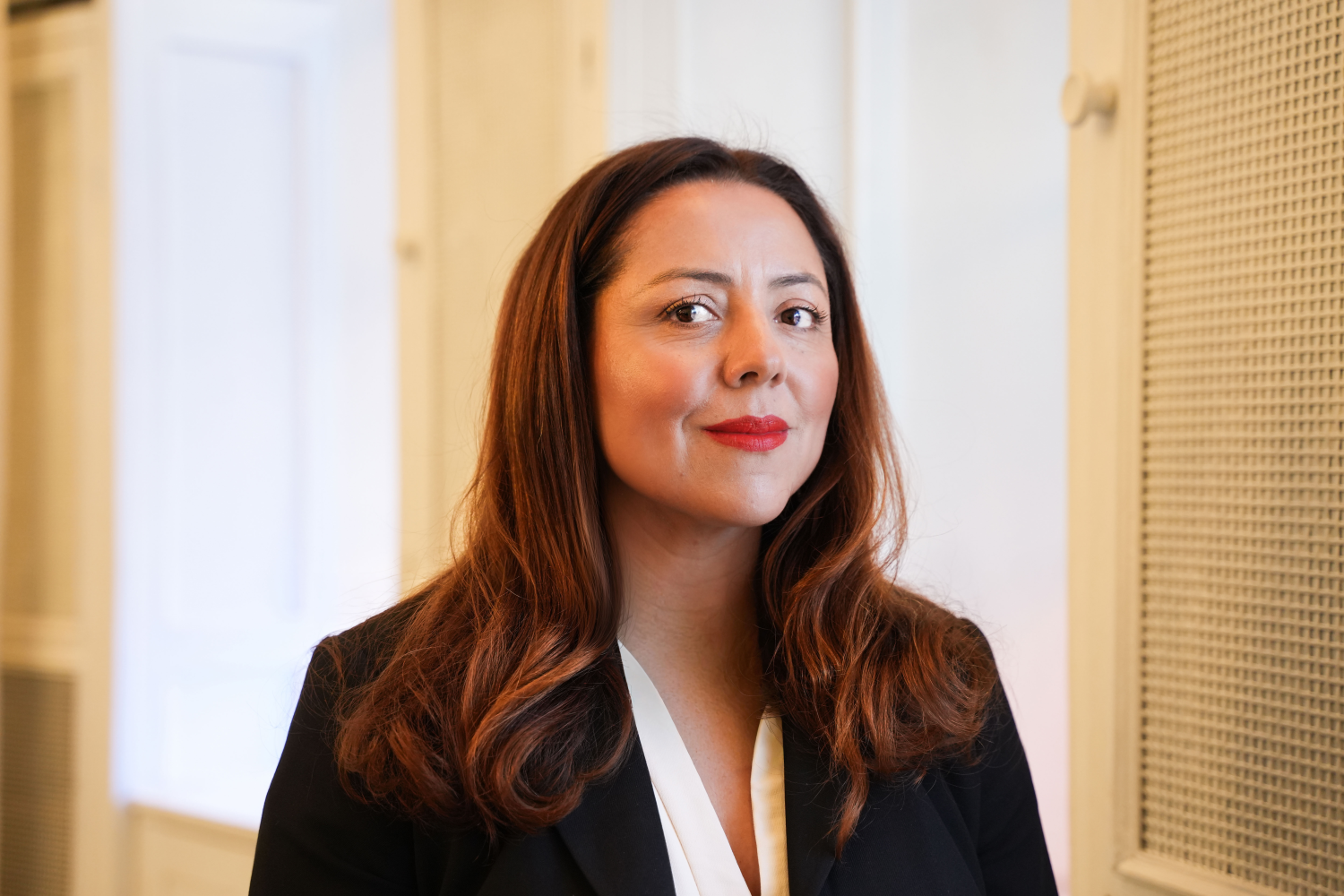
Renata Avila Pinto is an international lawyer specialising in technology, data governance, intellectual property, digital trade, and privacy. As CEO of the Open Knowledge Foundation, she advocates for open data policies and technologies that promote equitable access to knowledge, accountability and digital sovereignty. She advises governments and international organisations on digital policies and digital infrastructure strategies. A former Stanford HAI fellow and an affiliate of the Centre for Internet and Society at CNRS, her research focuses on commons-based governance models for digital public infrastructure and AI. She has led legal and advocacy initiatives defending freedom of expression, privacy, and access to information, as well as the defence of whistleblowers, including Julian Assange and WikiLeaks, and Nobel Peace Prize laureate Rigoberta Menchú Tum. Avila serves as an expert member of the UN working group on data governance at all levels and is a board member of Open Future and the Whistleblower Network in Germany.
Speaker
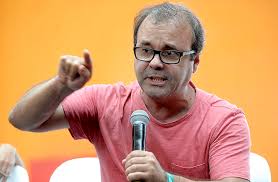
Sérgio Amadeu da Silveira is a sociologist and lecturer at UFABC who knows all there is to know about technology, politics and the internet. An advocate for free software and digital inclusion, he has previously headed the National Institute of Information Technology and the Brazilian Internet Steering Committee. He researches how algorithms and big tech companies influence society and is the author of books on the subject. He also hosts the Tecnopolítica podcast, where he discusses the impact of technology on our daily lives.
Speaker

Indigenous programmer and digital rights defender at GES Dona against violence in Guerrero, Oaxaca, Mexico.
Speaker

Spideralex
Spideralex is a sociologist and holds a PhD in social economy. She is the founder of the Catalan cyberfeminist collective, Donestech, which explores the links between gender and technologies, develops action research, documentaries, and training. For the last four years, she has coordinated an international program called “The Gender and Technology Institutes” focused on privacy and security (digital, physical, psycho-social) oriented at women human rights defenders and women activists around the world. She is also the editor of two volumes exploring the panorama of technological sovereignty initiatives. She lives on the internet and sometimes can be found in her community in Catalonia
Speaker
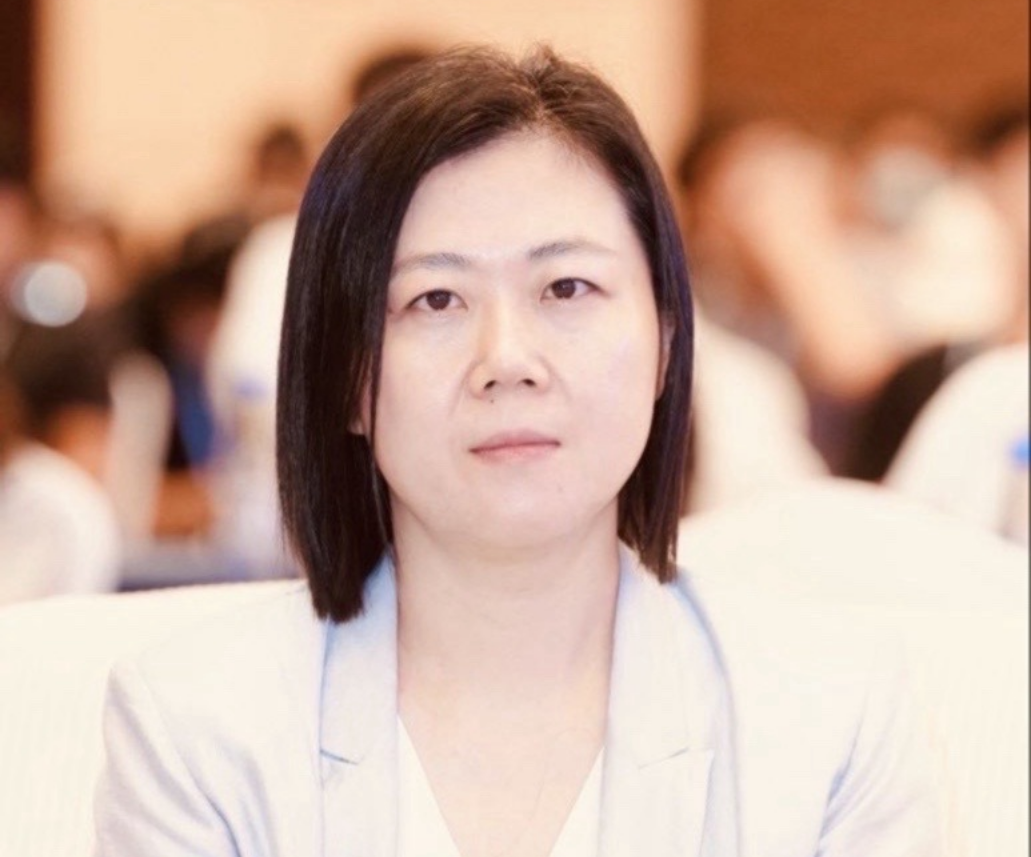
Yu Hong
Professor of Communication at the College of Media and International Culture at Zhejiang University, China, with a Ph.D. in Communication from the University of Illinois at Urbana-Champaign. Specialist in the political economy of communication, digital capitalism, and internet policies, with a focus on China and the global communicative order. Author of Networking China: The Digital Transformation of the Chinese Economy (University of Illinois Press, 2017), a key reference work on China's digital transformation from a critical perspective.